
Vanvasi Kalyan Ashram Haryana
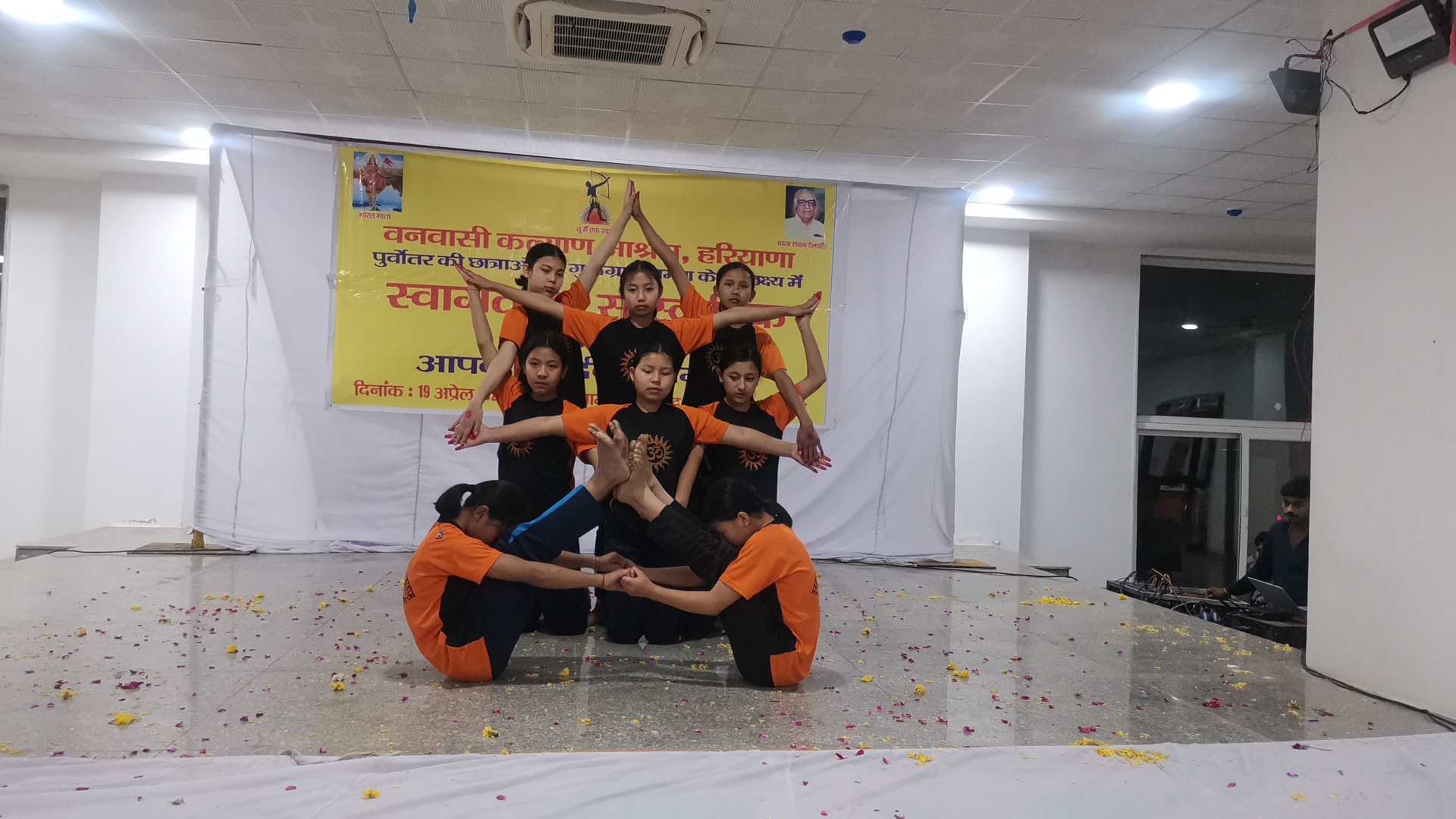
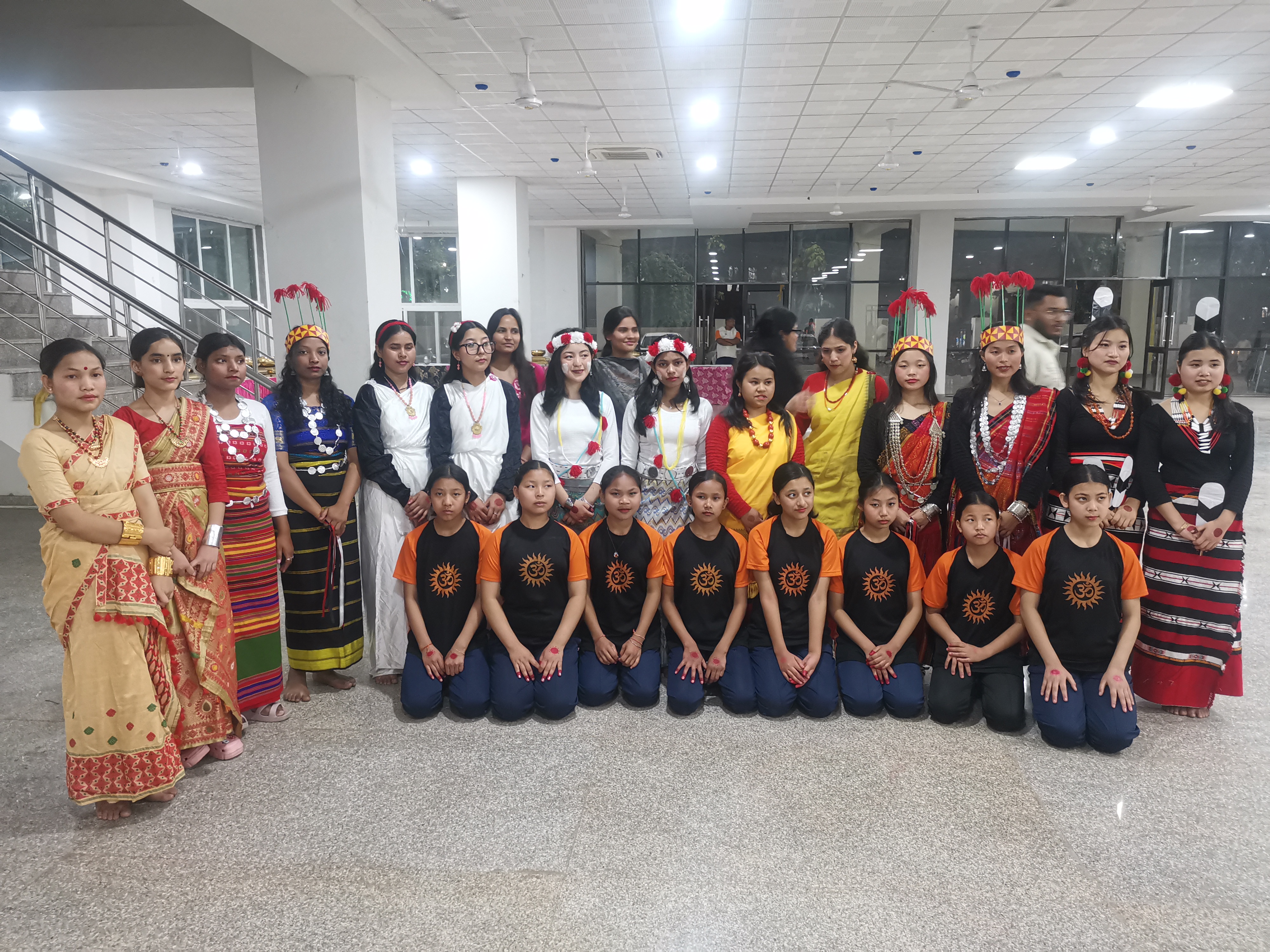
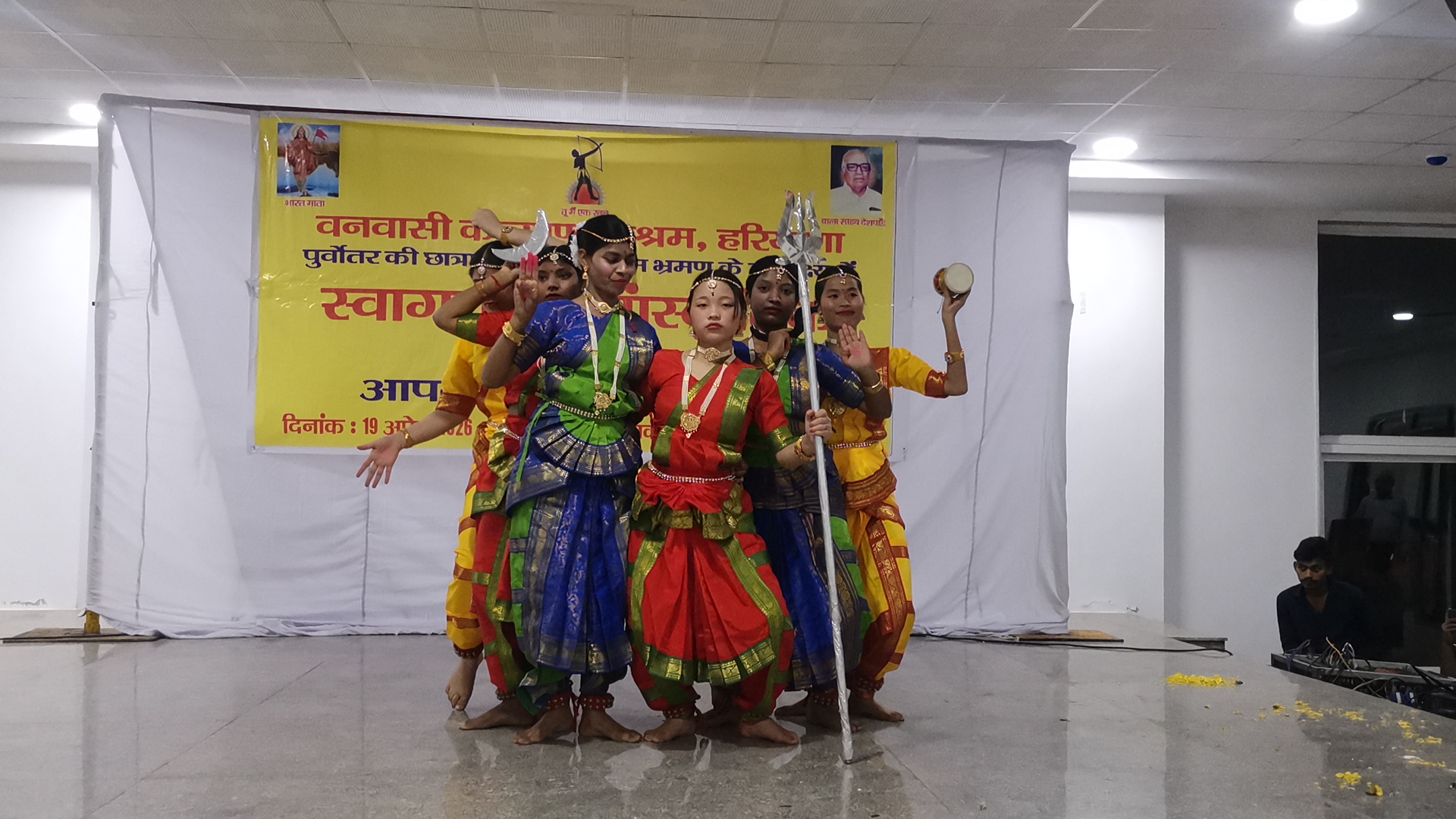
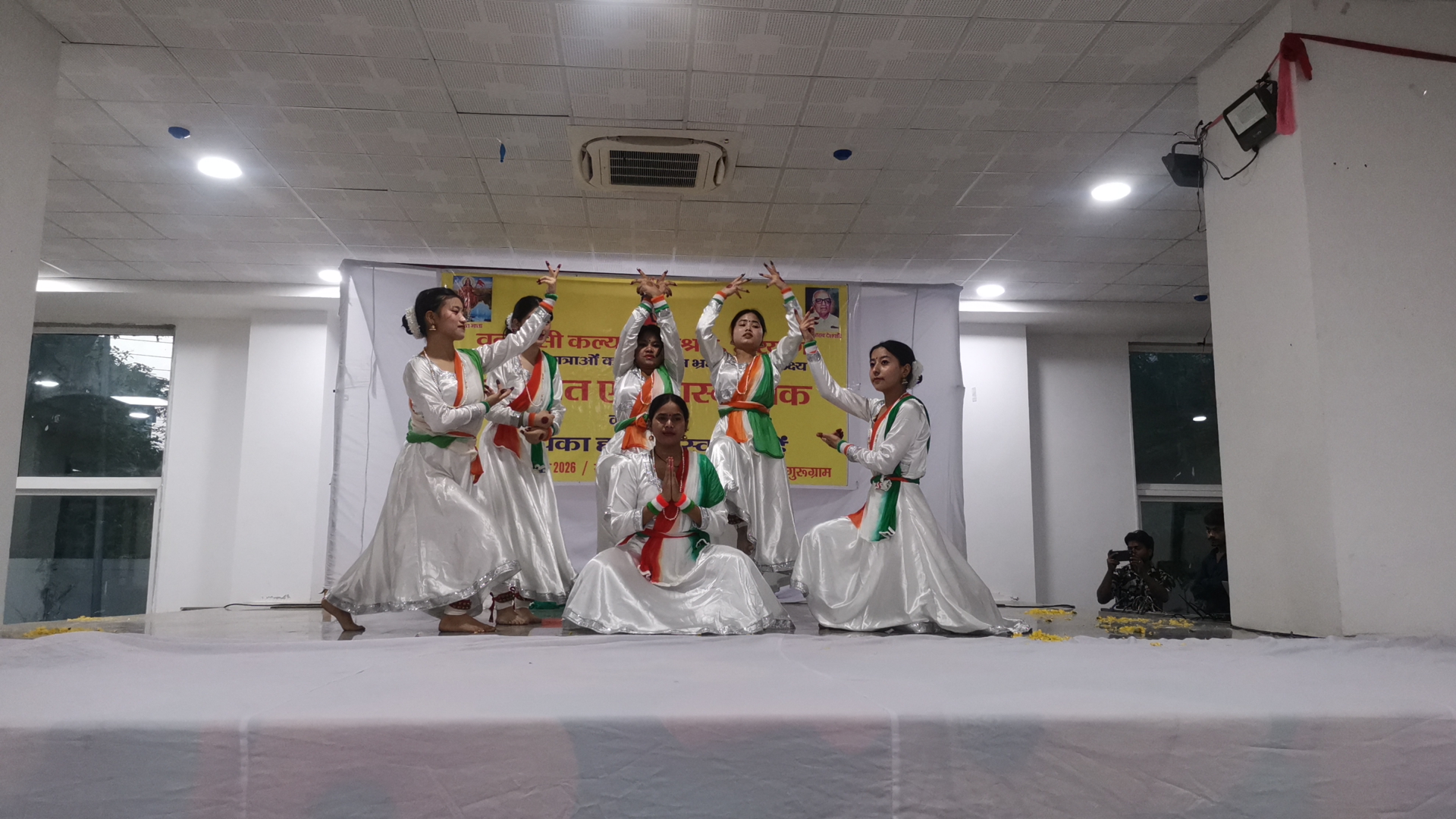
Bharat is a land of unique cultural heritage having diversified nature. It is also a land of hundreds of Janjatis or ‘Vanvasis’. The Vanavasis find a mention in all ancient scriptures/literatures of our nation. In Ramayana, there are several references like Shabari, Baali, Sugreev etc while Mahabharata have references of Eklavya, Barbarik, Ghatotkacha etc. There were many Vanavasis who had actively participated in the freedom struggle like Birsa Munda in Ranchi region (Jharkhand State), Raghoji Bhangare in Maharashtra, Thalakkal Chandu in Kerala, Dora Besoyee in Odisha, Tirot Sing Syiem in Meghalaya, Santhal leaders in Bihar (Sidho, Kanho, and Tilka Manjhi), Rani Gaidinliu and Shahid Jadonang of Manipur, Punja Bhil of Rajasthan. Many more are unsung Heroes from among Janjatis who took part in Indian Freedom Movement. Janjatis in our country comprise approximately 10% of total population, spread practically in all the States & Union Territories, except Haryana, Punjab and Delhi. The peculiarities which set the Vanvasis, apart from other citizens are their dresses, traditional adornments, their dialect, folklore and customs, their life style, traditions, their deities, etc. They have remained backward economically and socially. A Stigma and criminality is unfortunately attached with this section of society since generations by some sections of city dwellers in country. It is the need of the hour for society to respect Vanvasis and their rich culture. With the inspiration from Thakkar Bappa (Gandhian Leader) in the beginning, Vanvasi Kalyan Ashram was established by Mr. Ramakant Keshav Deshpande (popularly known as Vanyogi Balasaheb Deshpande), on 26th December 1952 at Jashpur in Madhya Pradesh (presently in Chhatisgarh) by enrolling 13 children of local Janjatis to start a hostel project. Encouraged with the success of various projects for the welfare of Janjatis over the period, from 1978, Vanvasi Kalyan Ashram extended its work in every state of India having Janjati population. Among all the volunteers of Vanvasi Kalyan Ashram, nearly half are from Janjatis. Apart from these, several students, working persons, professionals, retired persons etc are dedicate working for various projects for the Janjatis in the field of education, health, agriculture, economic development, to protect the constitutional rights, sports, spiritual and cultural congregations (Shraddha Jagaran) etc.
Education is the right of all children and there is a special need for education in remote tribal areas. Even today, due to less number of schools, janjaati children have to travel far away for education. Quality of the education is another challenge amongst the limited number of available schools..
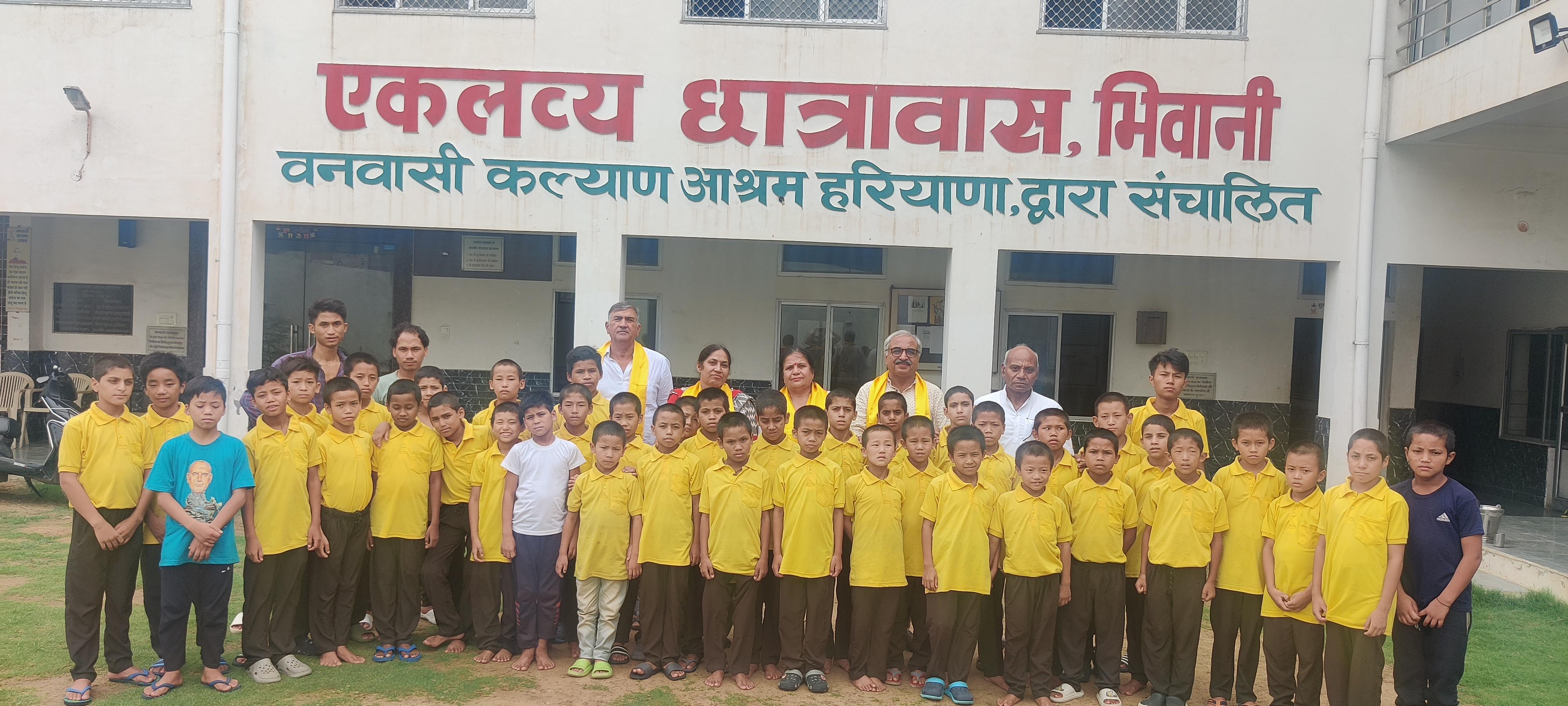
This initiative is also closely linked to the education sector. Vanvasi Kalyan Ashram began its journey with the establishment of a hostel, and the true essence of its work can be understood through the functioning and achievements of its hostel system. Hostels have played a vital role in providing education, discipline, and holistic development to tribal students. At present, we are successfully running two hostels in Haryana—one in Faridabad and another in the Bhiwani district. These hostels are dedicated to supporting students by providing a safe living environment, educational guidance, and opportunities for overall personality development..
The thing that would cause extreme stress to any sensitive person is that if a sick person dwelling in the villages situated in the forested mountainous areas needs medicine or treatment which is not available in his village, then what will be his condition? Then there would be option for him other than travelling to appropriate places for seeking treatment which could be several kilometers away..