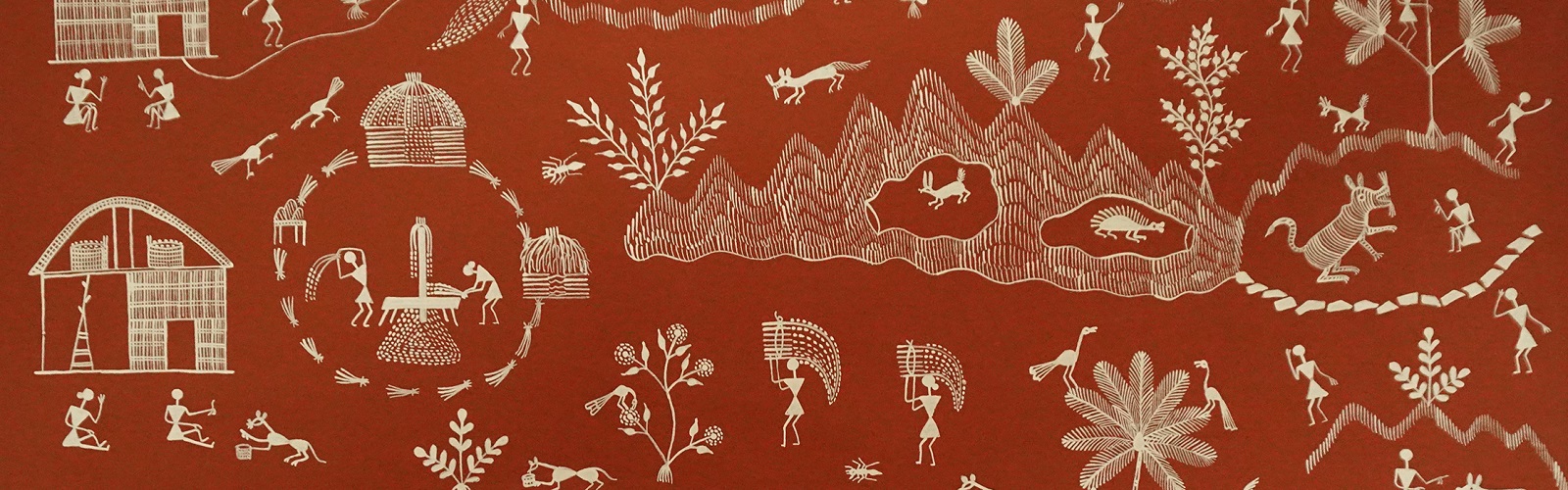
Since 1952, Vanvasi Kalyan Ashram has been dedicated to empowering Vanvasi communities through education, healthcare, livelihood opportunities and cultural preservation, creating pathways for dignity, self-reliance and sustainable development.
Scheduled Tribe is the official term as defined in the Constitution of India as "a tribe or tribal community or part of a tribe or tribal community".
The term Vanvasi is a more general term used to refer to indigenous communities who have traditionally lived in forests and different geographical regions.
Janjati is a more inclusive term representing communities living in plains, forests, hills and inaccessible areas. Tribal communities live in various ecological and geo-climatic conditions ranging from plains and forests to hills and remote areas.
Their traditions, languages, art forms, festivals, customs and lifestyle represent India's rich cultural heritage.
Vanvasis comprise approximately 10% of India's total population and are spread practically across all the states and Union Territories. They live in diverse ecological and geo-climatic conditions ranging from plains, forests, hills and inaccessible areas.
The peculiarities which set the Vanvasis apart from other people are their traditional dresses, traditional adornments, dialect, folklore and customs. Their lifestyle, traditions, customs, beliefs and cultural practices reflect their unique identity.
Many Vanvasi communities have historically faced challenges related to education, healthcare, economic opportunities and social development. Vanvasi Kalyan Ashram works towards respecting their identity while creating opportunities for empowerment and self-reliance.
Inspired by Thakkar Bappa, Vanvasi Kalyan Ashram was established by Shri Ramakant Keshav Deshpande (Balasaheb Deshpande) on 26th December 1952 at Jashpur, Madhya Pradesh by enrolling six children of the Oraon tribe.
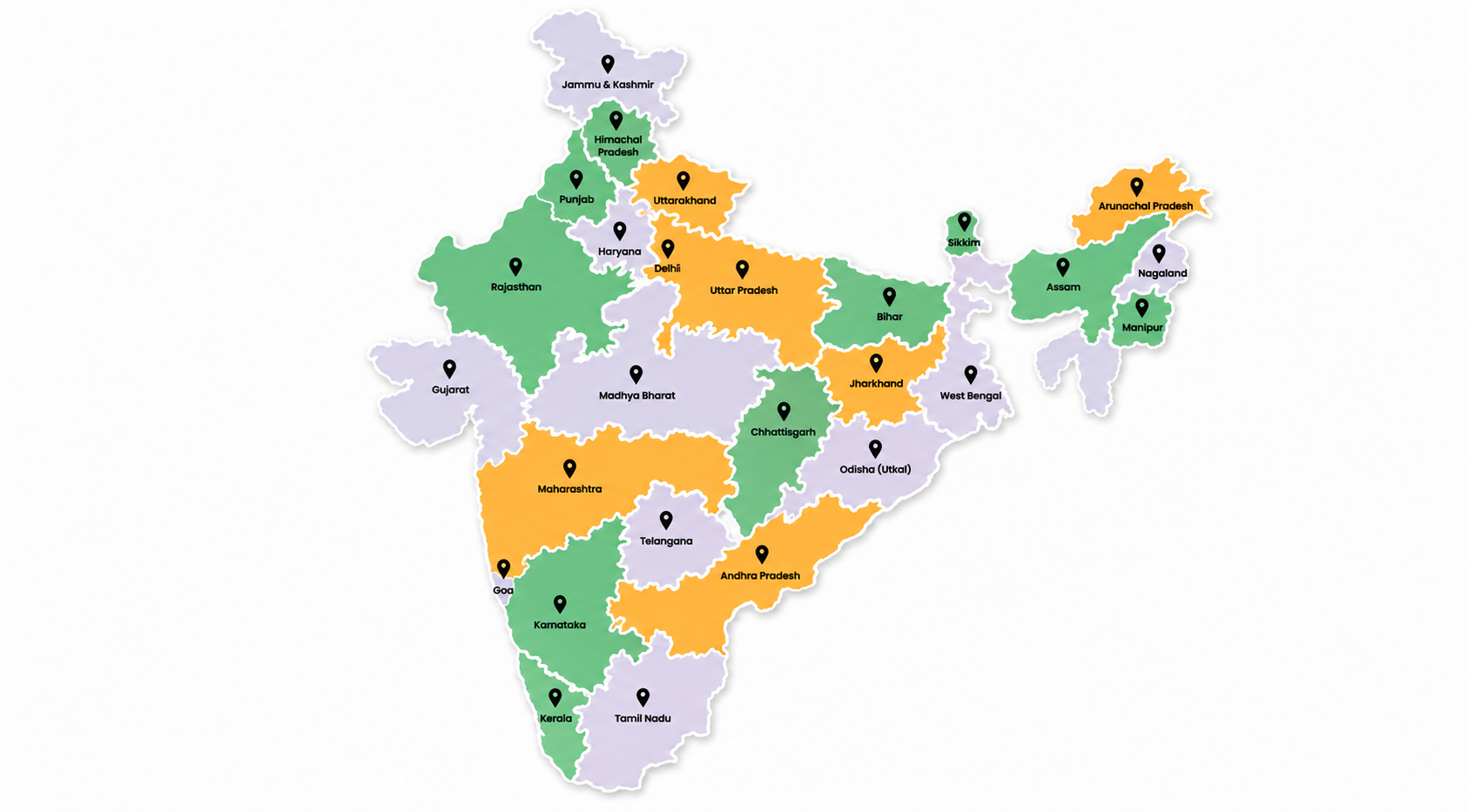
Encouraged by the success of Vanvasi Kalyan Ashram over a long period, the organisation expanded its activities to every state having Vanvasi population.
At the national level, Vanvasi Kalyan Ashram provides dedicated services in education, healthcare, agriculture, sports, cultural awareness and social development.
As per the policy of Vanvasi Kalyan Ashram, nearly half of the volunteers working in different projects are from Vanvasi communities.
Vanvasi Kalyan Ashram started functioning in Haryana in 1990. A public trust was later formed in the name of Vanvasi Kalyan Ashram Haryana (VKAH).
Presently VKAH Haryana is running hostels for Vanvasi children at Bhiwani and Faridabad.
The main objective of Vanvasi Kalyan Ashram is to strengthen social harmony and develop a sense of belonging among Vanvasi communities.
Through education, healthcare and developmental projects, the organisation works to remove social differences and create opportunities for empowerment.
Dedicated volunteers are working in educational, health, social, cultural and spiritual development activities to bring Vanvasi communities into the mainstream while preserving their rich cultural heritage.
Vanvasi Kalyan Ashram believes that mutual respect, cooperation and understanding between communities will contribute towards a strong and united society.
